Vincent Tamagna

Public servant · Hudson River Navigator · Transportation director

Vincent M. Tamagna

Six terms in the Putnam County Legislature, a decade as the Hudson River Valley’s federal Navigator, eleven years running public transportation for the county, and the restoration of Constitution Island. Nearly forty years of public work in the Hudson Highlands of New York — and a doctorate on how leaders get things done.

Read the Record
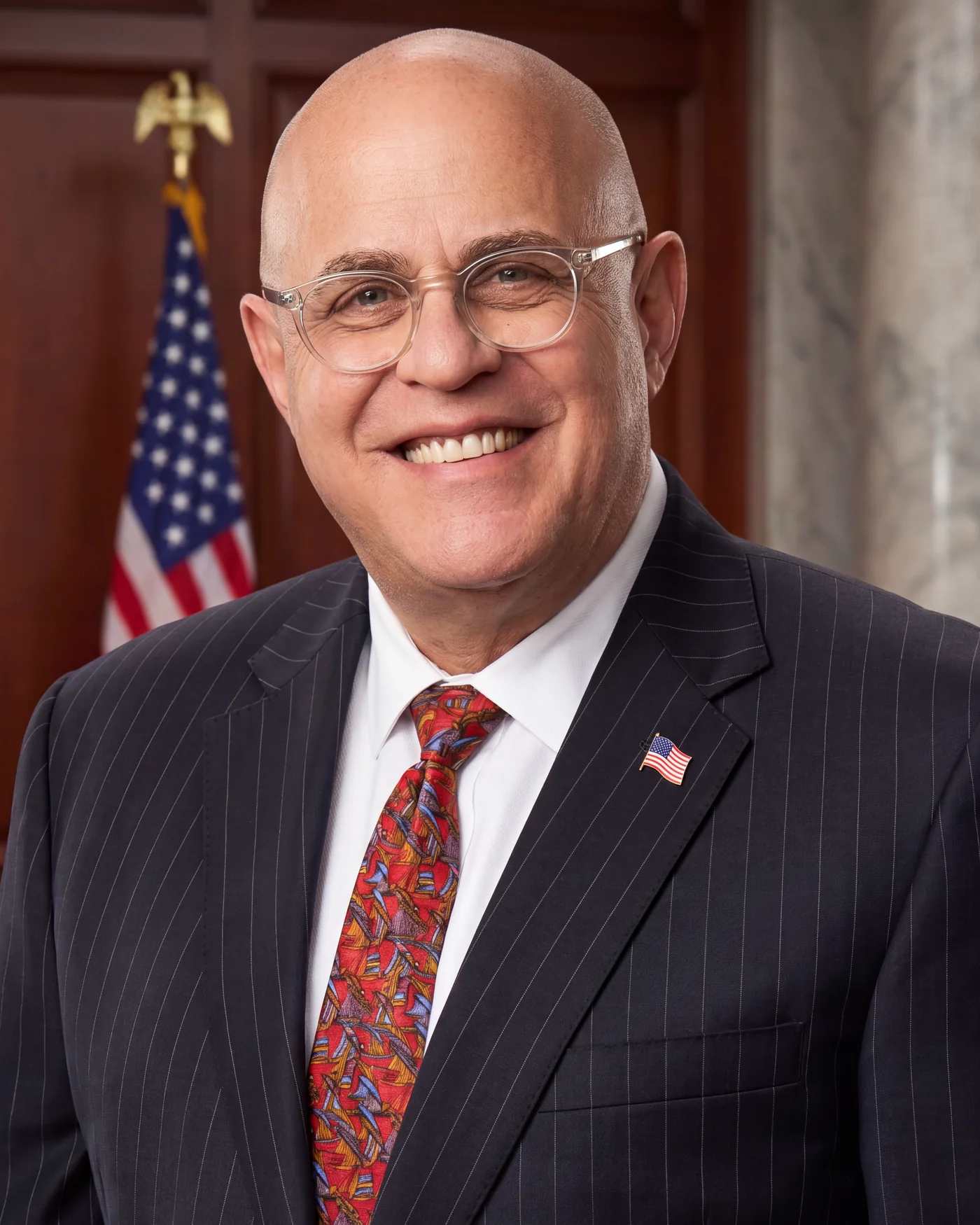
Vincent M. Tamagna, smiling, in a pinstripe suit with a flag lapel pin, before an American flag and wood panelling

Timeline

  1. Late 1980s

    President, Continental Village Property Owners Association

    First runs for public office in Philipstown — for Supervisor, then Town Board.

    Source
  2. 1995

    Elected to the Putnam County Legislature

    District 1 — Philipstown and part of Putnam Valley. The first of six terms.

    Source
  3. 2000

    Committee chair, Putnam County Legislature

    Source
  4. 2003

    Appointed Hudson River Navigator

    American Heritage Rivers Initiative, hosted by the Hudson River Valley Institute at Marist College.

    Source
  5. January 2004

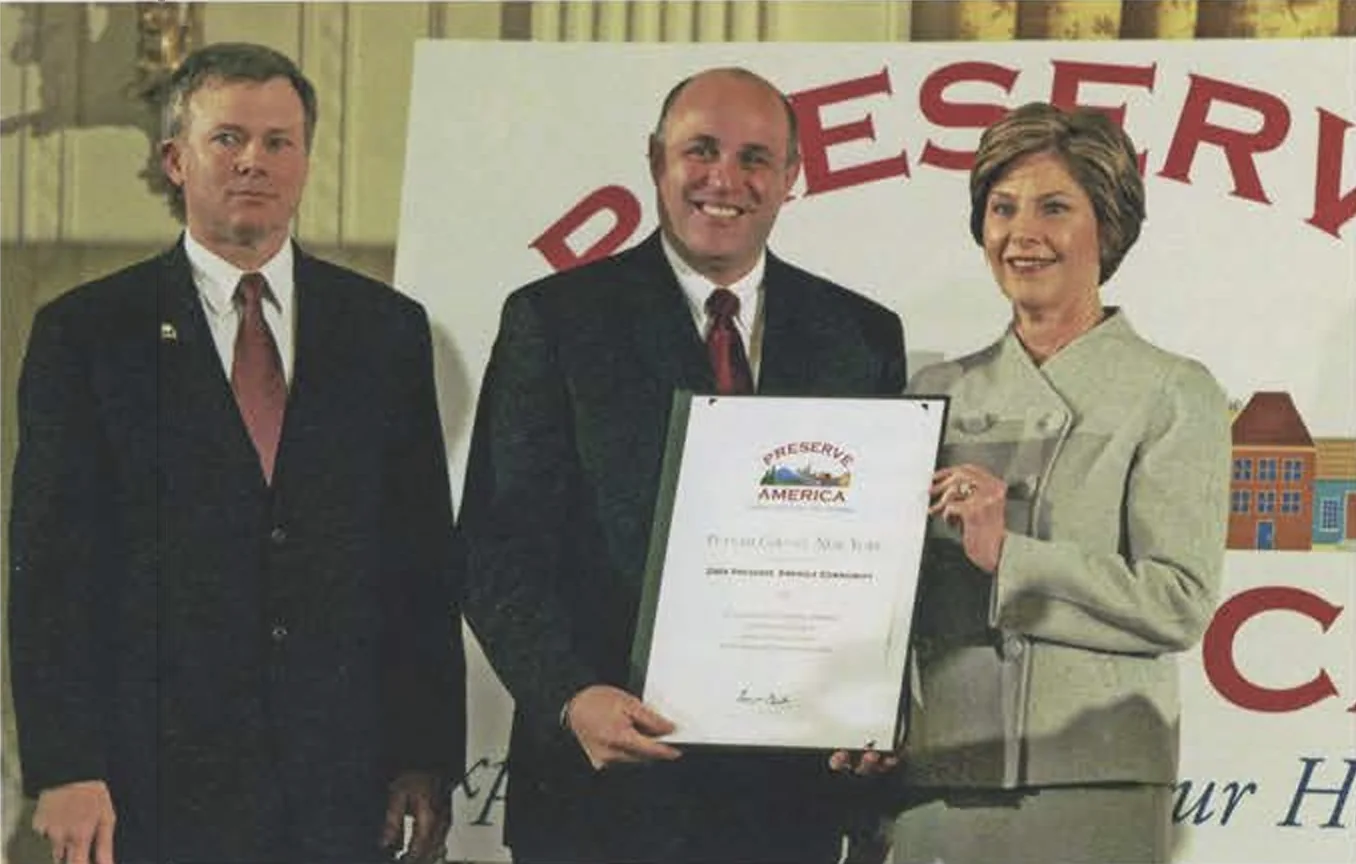
    Preserve America recognition at the White House

    Received from First Lady Laura Bush in the East Room on behalf of Putnam County.

    Source
  6. 2004

    Putnam Community Service Network Public Service Award

    Source
  7. 2005

    Sponsors the Putnam open-space bond

    Legislation putting a county open-space bond before the voters that November.

    Source
  8. 2006

    American Heart Association award

    Source
  9. 2006

    Marist College President’s Award

    Source
  10. 2009

    Hudson-Fulton-Champlain Quadricentennial

    Contributor to the Quadricentennial Commission’s environmental work.

    Source
  11. 2010 – 2011

    Chairman of the Putnam County Legislature

    Presides through the county executive crisis of December 2010, begins the county’s move to acquire the Butterfield property in Cold Spring, and is re-elected chairman for 2011 by 7–2.

    Source
  12. 2012

    Leaves the Legislature after six terms

    Vice President of the Cold Spring Area Chamber of Commerce; joins the board of the Constitution Island Association.

    Source
  13. 2013

    Director of Public Transportation, Putnam County

    Chair of the county’s Transportation Advisory Committee; Putnam’s representative on the Catskill Regional Off-Track Betting board.

    Source
  14. 2014

    Vestry, St Mary-in-the-Highlands, Cold Spring

    Later the parish’s Rector’s Warden.

    Source
  15. August 2015

    The Cold Spring – Beacon trolley opens

    Source
  16. 2015

    B.S., Marist College

    Organizational Leadership, Communications and Humanities.

    Source
  17. 2016

    President, Constitution Island Association

    Source
  18. 2017

    Master of Public Administration, Marist College

    The same year, $3.5 million is secured from the U.S. Army Garrison for the Warner House.

    Source
  19. 2018

    Croton Falls and Putnam Valley commuter shuttles

    Source
  20. 2019

    Southeast – Danbury Rail Link Feasibility Study begins

    Putnam’s project manager and chair of the Study Advisory Group.

    Source
  21. 2021

    Candidate for Mayor of Cold Spring

    Runs on the ‘Better Together’ slate with the outgoing mayor’s endorsement.

    Source
  22. 2022

    Rail study concludes: the line is feasible

    Eleven miles, four service alternatives, technically feasible without degrading other Metro-North services.

    Source
  23. 2023

    Ph.D., Concordia University Chicago

    Organizational Leadership. Dissertation on values-based leadership in state and national politics, approved 26 January 2023.

    Source
  24. June 2024

    Constitution Island reopens to the public

    Master of ceremonies at the REV250 opening; the first public tours since 2012.

    Source
  25. August 2024

    Leaves Putnam County after eleven years

    Director and Program Manager, Paratransit Services, Broward County Transit, Florida.

    Source
  26. 2025

    Trustee, Constitution Island Association

    Hands the chair to his successor in January; returns for the island’s summer reopening.

    Source

Vincent Tamagna was born in the Bronx and raised in Continental Village, on the Westchester side of the Putnam line, the son of a department-store display director and a family from Sicily. He was twenty-eight when he first ran for office in Philipstown, and lost; he has been in public life in the Hudson Highlands more or less continuously since.

The through-line is the river. As a county legislator he sponsored the open-space bond that let Putnam voters decide to protect their own water, air and land. As Hudson River Navigator he worked the whole 315-mile shoreline — lighthouses, patriot gardens, a barge of farm produce, a railroad-tie removal with West Point cadets — and brought Putnam County a Preserve America designation from the White House. As the county’s transportation director he untangled two years of federal rules to put a trolley between Cold Spring and Beacon, and led the study that found a dead rail line between Southeast and Danbury could run again. And for a decade he led the association that reopened Constitution Island, across the water from West Point, to the public for the first time since 2012.

The doctorate came late, in his sixties, and it is about the same thing all of it was about: how leaders in public life build consensus, pass what they set out to pass, and bring people with them.

Chapter one

The Putnam County Legislature

1995 – 2012

Six terms representing Philipstown and part of Putnam Valley, and the chairmanship of the county’s governing body.
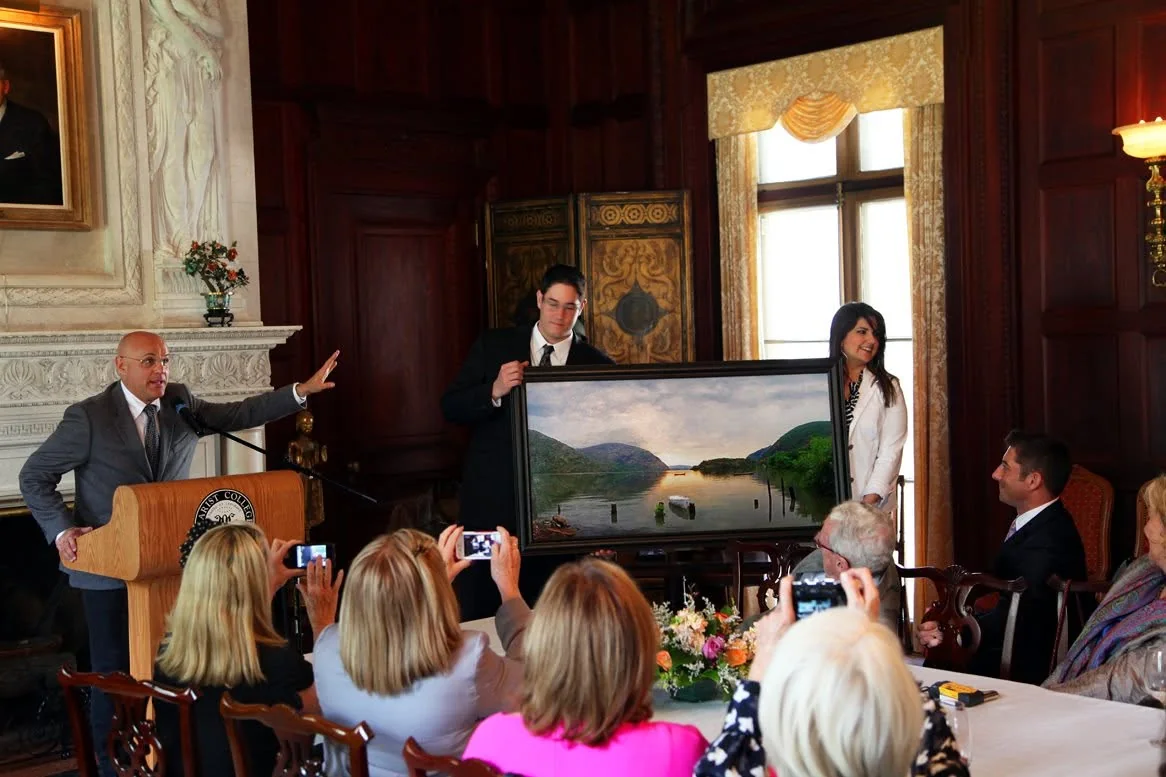
Vincent Tamagna speaking from a lectern before a carved stone fireplace at Marist College, gesturing towards a painting of the Hudson Highlands being held up beside him, an audience seated in front
Speaking at Marist College at the unveiling of a painting of the Hudson Highlands by Russ Cusick.

He was elected to the Putnam County Legislature in 1995 for District 1 — Philipstown and part of Putnam Valley, the river towns — and held the seat for six terms, until the end of 2012. By 2000 he was chairing a committee; he went on to chair the Legislature itself, the county’s governing body, in 2010 and 2011 — re-elected to the chair by a 7–2 vote in January 2011, a month after his own caucus had tried to replace him — and was in the chair during the difficult winter of 2010, when the county executive-elect withdrew and the Legislature had to guarantee the county an executive by New Year’s Day.

He describes himself as something of a maverick in those years: a Republican who worked across the aisle, who pressed for term limits for the county executive and the Legislature itself, who authored a domestic partner registry years before same-sex marriage was law in New York, and whose lasting work was institutional — the county’s first Industrial Development Agency, its first Economic Development Corporation, the Farmland Protection Board and Agricultural District, the Visitors Bureau. In 2005 he sponsored the open-space bond that gave Putnam’s voters a direct say over the protection of their own land and water. In 2010, as chairman, he began the county’s move to acquire the Butterfield property in Cold Spring from a private developer.

He left the Legislature at the end of 2012, having managed the campaign of the woman who succeeded him.

The first Industrial Development Agency
Created the county’s first IDA, and later its first Economic Development Corporation.
Farmland Protection Board and Agricultural District
Formed the board and established the district that still protects Putnam’s working farms.
The open-space bond, 2005
Sponsored the legislation that put a county open-space bond before the voters that November.
Putnam County Visitors Bureau
Established and supported the county’s first tourism promotion bureau.
Domestic Partner Registry
Authored and instituted the legislation.
Preserve America
Brought Putnam the federal designation, recognised at the White House in 2004.

“The voters of this county deserve the opportunity to decide whether to protect our water, air, and land.”

On the open-space bond, May 2005
Chapter three

Putnam County Public Transportation

2013 – 2024

Eleven years as the county’s Director of Public Transportation: the buses, the paratransit fleet, the Pre-K transport budget, the trolley, and the rail study.

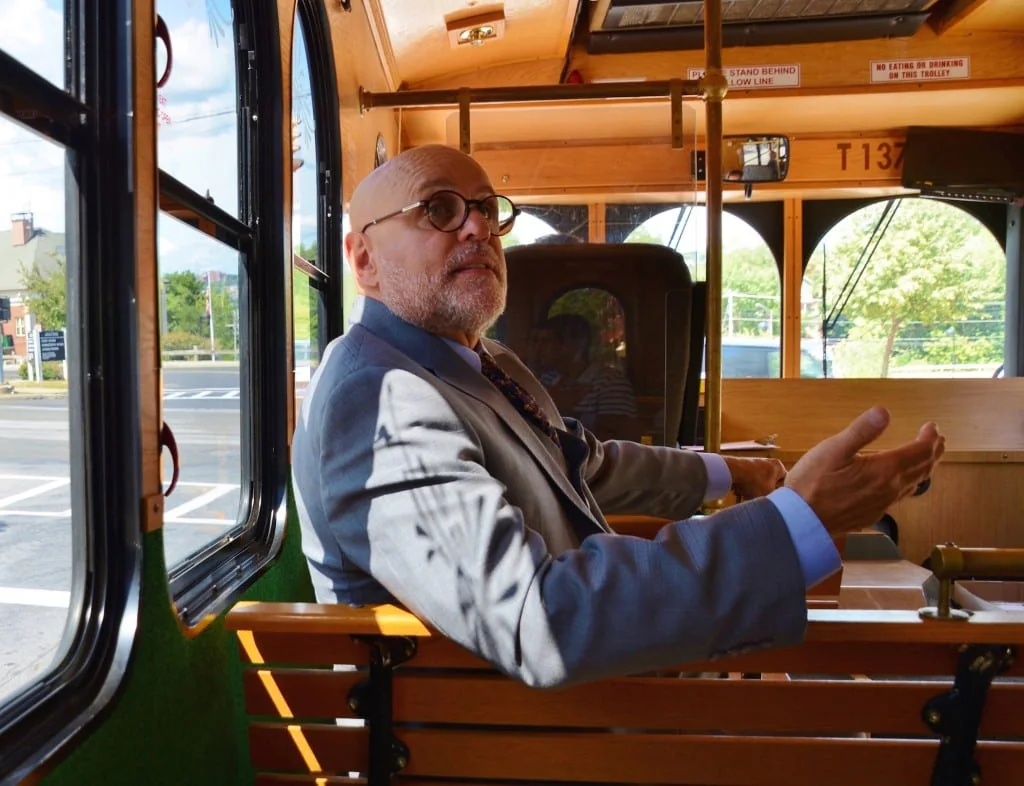
Vincent Tamagna seated aboard the wood-panelled Cold Spring–Beacon trolley, gesturing as he talks
Aboard the Cold Spring–Beacon trolley.

In 2013, a few months after leaving the Legislature, he took over the county’s transportation programme — a $2.3 million public-transit budget, a $2.1 million budget for busing the county’s pre-kindergarten and early-intervention children, and a planning budget for economic development and transit. His first presentation to the Legislature’s task force laid out the problem plainly: a third of the county had no bus service at all, 455 residents depended on paratransit, and the county spent more to transport a pre-school child than it did to educate one.

Over eleven years he cut the cost of operations by a fifth, brought the programme through five Federal Transit Administration audits, moved operations to a new contractor, added an accessible MV-1 vehicle to the paratransit fleet, and put GPS on the buses. The visible work was the Cold Spring–Beacon trolley, which took two years of untangling federal rules about crossing a county line and opened in August 2015 to a full car and coverage in the New York Times. The larger work was the Southeast–Danbury rail study: an $800,000 federal study he coordinated for the county with Metro-North, the Housatonic Railroad, Danbury and the Western Connecticut Council of Governments, which concluded in 2022 that the eleven-mile line — dead since at least 2007 — could carry passengers again without degrading the rest of Metro-North’s service.

He was one of the principal directors of the county’s Incident Command Structure during storms and evacuations, chaired the county’s Transportation Advisory Committee, served as the county’s Climate Smart Coordinator, advised the Putnam County Soil & Water Conservation District, sat on the East of Hudson Watershed Council, represented Putnam on the Catskill Regional Off-Track Betting board, made the case for the county’s Complete Streets policy in 2021, and in his last year launched an on-demand micro-transit pilot. He left the post in August 2024 for Florida, where he is Director and Program Manager of Paratransit Services for Broward County Transit.

The Cold Spring – Beacon trolley, 2015
Two years of work through federal cross-county rules put a trolley across the river between the two villages; it opened on 8 August 2015 and was written up in the New York Times.
Southeast – Danbury Rail Link Feasibility Study
Led an $800,000 federally funded study with Metro-North, the Housatonic Railroad, the City of Danbury and WestCOG. The final report, in 2022, found an eleven-mile rail link between Southeast, NY and Danbury, CT technically feasible.
Five federal audits passed
The county’s transit programme passed every Federal Transit Administration review of his tenure; the 2014 review moved operations to a new contractor and launched ‘Putnam Moves’.
Commuter shuttles, 2018
Established the Croton Falls and Putnam Valley commuter shuttles to the Metro-North stations.
Micro-transit, 2024
Piloted an on-demand, app-hailed service in Patterson — ‘Uber for public transit’ — with expansion to Philipstown and Putnam Valley planned.
$10 million in grants
Represented the County Executive on the New York Metropolitan Transportation Council, securing federal transportation funding for the county.

“It costs more to transport a child than to educate the child.”

To the Legislature’s Transportation Task Force, April 2013

Chapter four

Constitution Island

2012 – 2024

Vice president, then eight years as President of the Constitution Island Association: the restoration of the Warner House and the island’s return to the public.

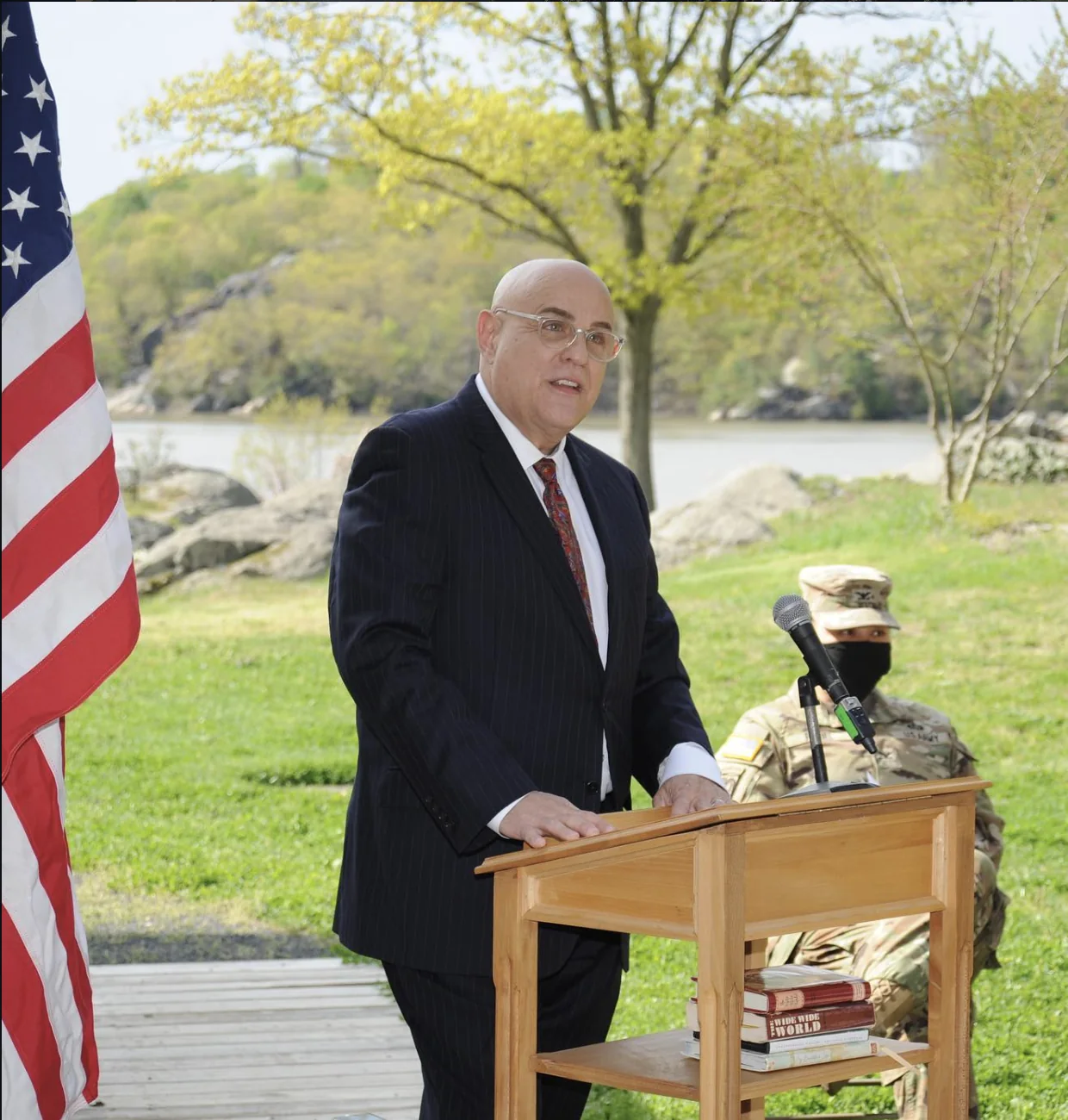
Vincent Tamagna speaking at a wooden lectern on Constitution Island, the Hudson and the Highlands behind him, an Army officer seated to one side, Susan Warner’s The Wide, Wide World on the shelf below
Speaking on Constitution Island, the Hudson behind him.

Constitution Island sits in the Hudson directly opposite West Point. The Great Chain that closed the river to the British in 1778 was anchored there; the Warner sisters wrote there in the nineteenth century; and for more than a century the island has belonged to the Military Academy, with the Constitution Island Association as its civilian steward. For twelve years — treasurer, vice president from 2012, and President and Chairman from 2016 to the autumn of 2024 — Vincent Tamagna led that association.

The centrepiece was the Warner House. In 2017 the U.S. Army Garrison committed $3.5 million to its structural restoration; the association raised the rest, some $8 million in all, for the house and an education centre. Along the way the island’s three Revolutionary redoubts were preserved, the Warner family’s papers were formally given to West Point, and school programmes and a virtual tour were built for the years the island itself was closed.

On 28 June 2024, as master of ceremonies, he opened the island for the American Revolution’s 250th anniversary before the Superintendent of West Point, the county executives of Putnam and Orange and the district’s congressman. The next morning the public walked the island for the first time in twelve years. He handed the chair to his successor in January 2025 and remains a trustee.

$8 million for the Warner House
Secured, with West Point, the funding that restored the Warner House — $3.5 million of it from the U.S. Army Garrison in 2017 for the structural work — and built an education centre.
The island reopened, 2024
On 29 June 2024 the public toured Constitution Island for the first time since 2012.
The Warner Family Papers
Completed the gift of the Warner family’s papers to the United States Military Academy at West Point.
Three redoubts preserved
The Revolutionary War fortifications on the island, preserved for the 250th anniversary.
Programmes for regional schools
Heritage tours for hundreds of local schoolchildren, a virtual tour of the Warner House, and Indigenous-history programming planned for 2026.

“We continue to tell the stories and recognize how important Constitution Island is to our history from the Revolutionary War to the Civil War.”

REV250 opening ceremony, 28 June 2024

Chapter five

Scholarship & Values-Based Leadership

2015 – 2023

A bachelor’s degree, a master’s in public administration and a doctorate, all earned while running a county transportation programme — and a dissertation on how political leaders actually lead.

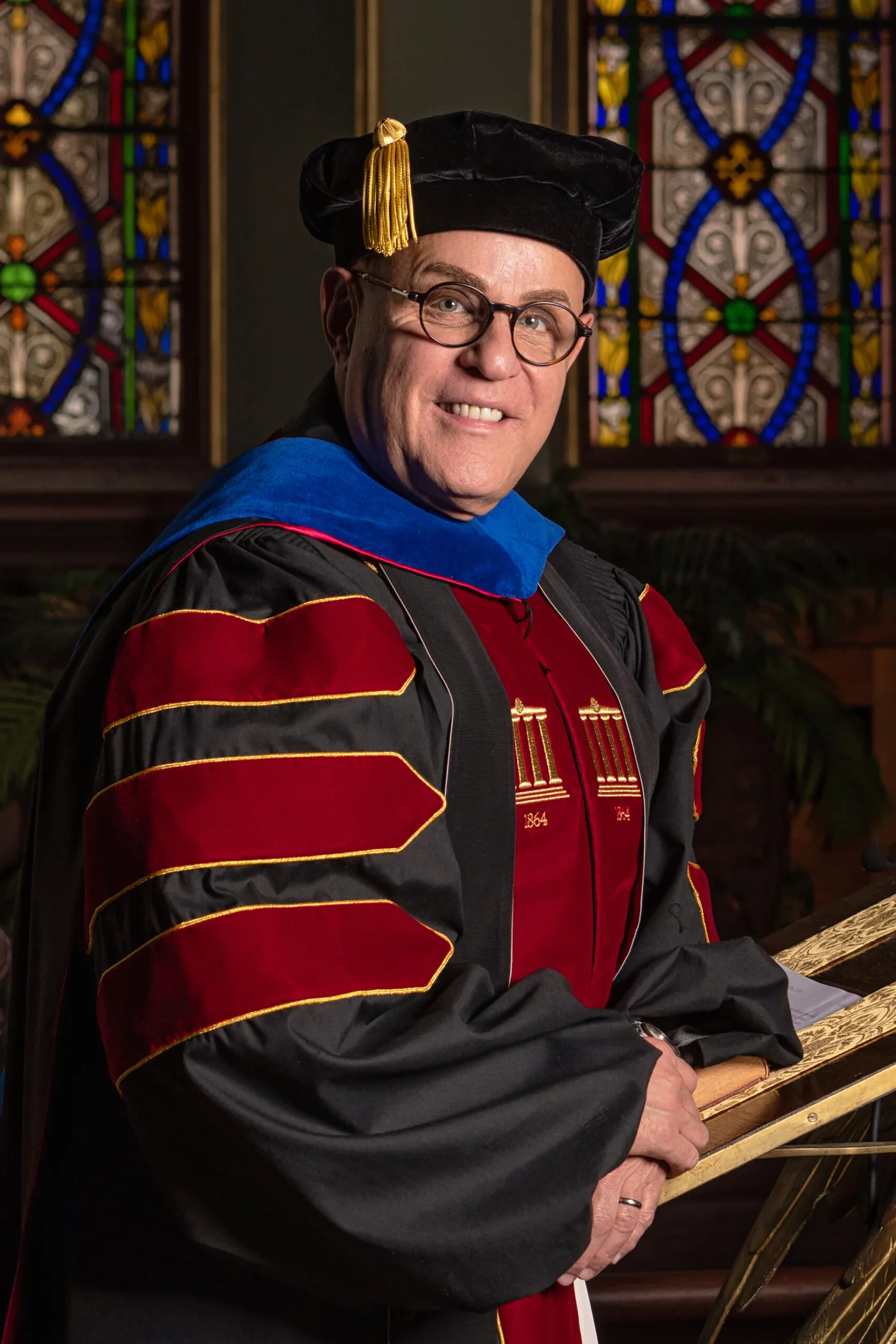
Vincent M. Tamagna in doctoral regalia at a lectern, stained glass behind him
At the conferral of his doctorate, Concordia University Chicago, 2023.

He went back to school in his fifties, while directing the county’s transportation programme — a doctorate, he said, had long been on his life’s list, the example set by an uncle who had emigrated from Italy and taught at Columbia University: a bachelor’s degree from Marist College in 2015, a Master of Public Administration from Marist in 2017, and a doctorate from Concordia University Chicago in 2023.

The dissertation grew out of thirty years in elected and appointed office. A phenomenological study, it asks how state and national political leaders use values-based leadership — leading from stated principle rather than position or party — to pass the policies they set out to pass, to build consensus, and to build a following, through the lived experience of leaders in the Northeast and Midwest. Its own summary of what it found: leaders thought it important to spend more time reflecting during the decision-making process and to be proactive in communicating with their constituents, asking for input and feedback more often; and that leaders should be transparent about their values, treat others with respect and humility, and listen to the opinions and perspectives of others.

Read the dissertation (PDF, 136 pages) — also published open-access through ProQuest, no. 30311814.

In his own account, the foundation of that kind of leadership is four intelligences held together: intellectual, leadership, emotional and spiritual. Leaders at every level of government and business, he argues, need to be intellectually capable and emotionally conscious of their own behaviour.

The same question is the subject of his talks, including the 2023 presentation below.

Ph.D. in Organizational Leadership, Concordia University Chicago, 2023
Dissertation approved 26 January 2023. Chair Christopher Esposito; committee Pamela J. Konkol and Arthur Safer.
Master of Public Administration, Marist College, 2017
B.S. Organizational Leadership, Communications & Humanities, Marist College, 2015
Certified Planning Commissioner, Michigan State University, 2023
Community Leadership Training, Pace University School of Law
Marist College President’s Award

“How State and National Political Leaders Employ Values-Based Leadership in Service of Passing Policy Initiatives, Building Consensus, and Building Followings”

Doctoral dissertation, Concordia University Chicago, January 2023 — ProQuest 30311814

In his own words

Talks

What is values-based leadership?Presentation, 2023
Celebration of America’s 250th AnniversaryConstitution Island, 2024

Advisory

Get in touch

For advisory work, speaking, or professional correspondence.

  • Governance and institutional strategy
  • Transportation and infrastructure planning
  • Leadership transition and organizational continuity
  • Policy evaluation and implementation support
  • Historic preservation and heritage partnerships

Engagements are selective, and aligned with missions that need long-term thinking and structural responsibility.

LinkedIn Résumé (PDF)

or write to contact@vincenttamagna.com